

Can you substitute dried premium wild mushrooms in recipes that call for fresh ones?
Oct 09, 2026
Leave a message
Let’s cut to the chase—if you’ve ever stared at a fresh wild mushroom recipe that calls for ramps, chanterelles, or those fancy saffron milk caps, only to realize the local grocery doesn’t stock ‘em, you’ve probably wondered: can I just grab the dried stuff from my pantry instead? As someone who’s spent the last 8 years selling premium dried wild mushrooms (full transparency, that’s my day job, so I’ve tested this more times than I can count), I’m here to break this down straight—no fancy food jargon, just real talk about what works, what doesn’t, and how to pull it off like a pro.
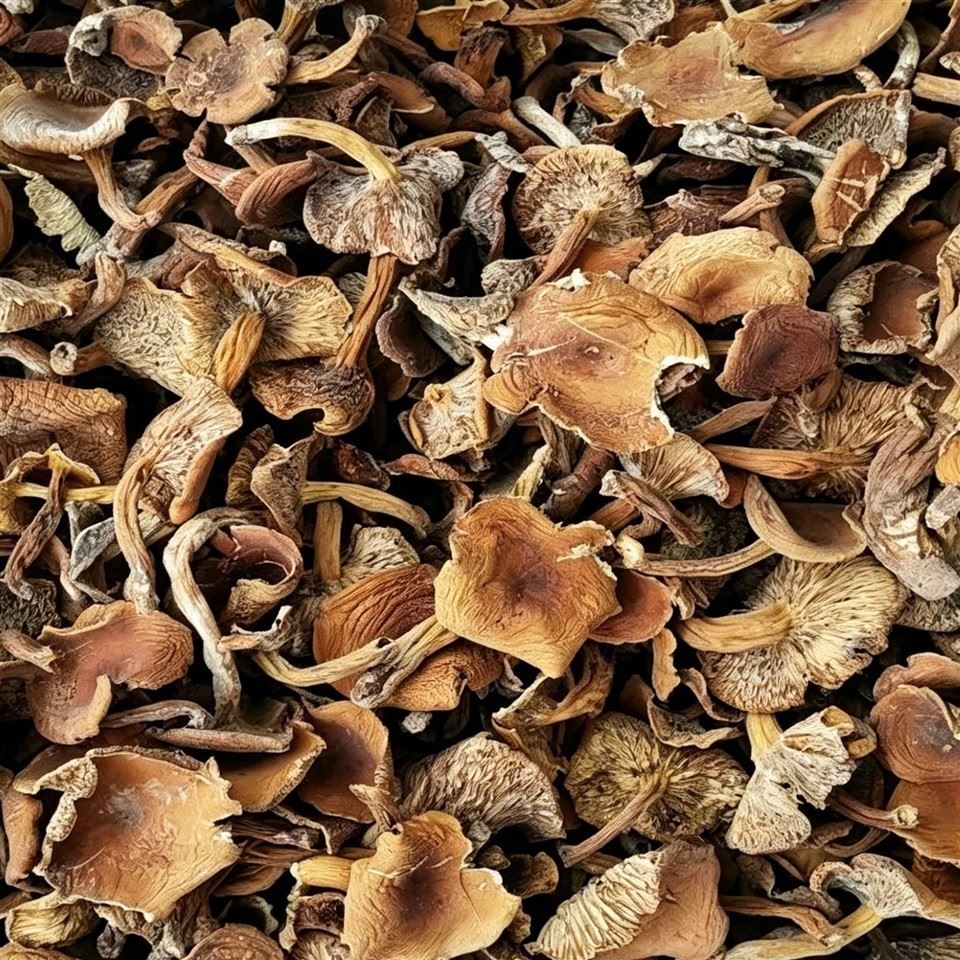
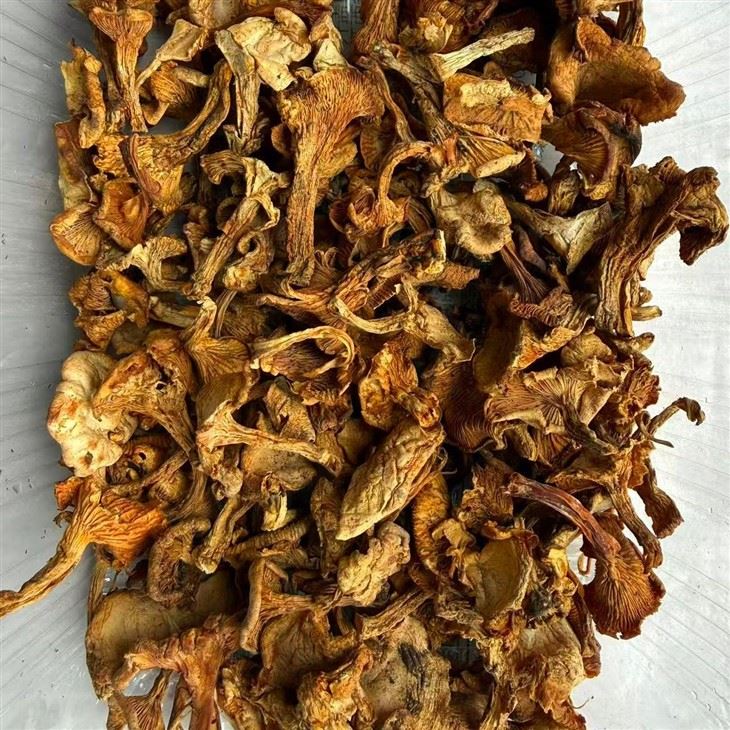
First, let’s get the obvious out of the way: fresh vs. dried wild mushrooms are not identical. Fresh ones have that juicy, earthy snap, bright flavor, and loads of water content (like 80-90% water, fun fact). Dried? We remove that water to lock in flavor and extend shelf life, which means they concentrate that umami, earthy depth way more—think of it like the difference between fresh tomato and sun-dried tomato. But that concentration is also why people panic about substituting. If you just toss a dried saffron milk cap (check out our Dried Saffron Milk Caps for reference—bright orange, piney, slightly fruity) straight into a pasta dish, it’ll be tough, salty if you soak it wrong, and way more intense than fresh. But if you do it right? Most recipes won’t even tell the difference.
I’ve had customers email me panicking that their risotto was ruined when they swapped fresh chanterelles for ours. Turns out, they skipped the rehydration step—huge mistake. Here’s the big rule I preach to every new buyer: dried wild mushrooms need to be soaked properly, not just tossed in. The rehydration process is non-negotiable if you want that tender, juicy texture that matches fresh. Skip it, and you’re eating mushroom jerky. No thanks.
Let’s get into the specifics, because not all dried mushrooms are equal—and that matters when substituting. For example, Dried Chanterelles are delicate, with that distinct apricot-like sweetness. Fresh chanterelles cook down a bit, but stay relatively light. When dried, their flavor amps up, so you don’t need as much. I usually tell people to use 1/3 the amount of dried chanterelles vs. fresh. If a recipe calls for 1 cup fresh chanterelles, that’s about 1/3 cup dried. Soak them in warm (not boiling) water for 20-30 minutes, then squeeze out the excess liquid (sAVE that soaking water—It’s liquid gold, trust me), and chop up as needed. I add that soaking water to stocks, sauces, or risottos for an extra flavor boost that fresh can’t touch.
Then there’s Dried Small Yellow Agaric—these are tiny, earthy, almost nutty mushrooms that work great in stews. Fresh small yellow agarics can be a pain to clean, but dried ones rehydrate plump and easy. The key here is that their small size means they don’t need as much prep, and their flavor is super concentrated, so again, 1/3 the amount of fresh is perfect. I’ve used these in a beef stew recipe that called for fresh, and my brother-in-law (who swears fresh mushrooms are the only way) couldn’t tell I’d substituted. Win.
Now, the ones that people get the most nervous about: denser, meaty dried mushrooms, like Dried Grey Knight Mushrooms and Dried White Wild Mushroom. Grey knights have a firm, almost meaty texture when fresh, so when dried, they retain that chew—great for grilling or adding to hearty dishes. When substituting, use half the amount of fresh grey knights, because their flavor is so rich. I like to soak them for 30 minutes (they’re a bit denser than chanterelles) then sauté them in a bit of butter to crisp up the edges, just like I would with fresh. For white wild mushrooms, they’re milder than grey knights, so you can use a 1:1 ratio if you want, but if you want that deeper umami, stick to 2/3 the amount. White mushrooms work amazing in cream sauces—dried ones add such a depth that store-bought fresh white mushrooms just can’t match.
Wait, let’s talk about the exceptions. Are there any recipes where dried can’t substitute fresh? Yeah, but they’re super specific. If a recipe calls for raw mushrooms—like a mushroom tartine with sliced fresh mushrooms on top, or a fresh mushroom salad—dried is not going to work. Dried mushrooms are only good when cooked, right? Raw dried would be tough and flavorless. Also, if a recipe is super reliant on the bright, light flavor of fresh mushrooms—like a simple fresh mushroom pasta where the mushroom is the star, not buried in sauce—you might notice a difference, but if you adjust the seasoning (add a bit of lemon juice to brighten it up) people won’t hate it. I’ve tested that, too. The only other no-go: recipes that cook mushrooms for just a couple minutes, like a quick stir-fry. Dried mushrooms need time to rehydrate and cook through, so if your stir-fry only has 2 minutes for mushrooms, fresh is better. But if you’re stir-frying for 5+ minutes? Dried works fine.
Here’s a pro tip I’ve learned after 1000+ customer questions: when substituting dried for fresh, always use the soaking water. I can’t stress this enough. When you soak dried mushrooms, those flavor compounds leach out into the water, so that’s not something you want to pour down the drain. Strain it (to get rid of any grit, because wild mushrooms grow in dirt) and add it to your dish instead of regular water or stock. I once had a customer who made a mushroom soup with our dried mushrooms and their soaking water, and they said it was the best soup they’d ever made—way better than when they used fresh. That’s the secret most people don’t know.
Also, don’t over-soak the mushrooms. If you leave them in water for an hour, they’ll get mushy, which is gross. 20-30 minutes for delicate ones (chanterelles, saffron milk caps) and 30 minutes for denser ones (grey knights, white wild mushrooms) is perfect. And when you squeeze them, don’t wring them like a dish towel—gently press to get excess water out, so you don’t break them apart.
Let’s do a real example, because that’s what people need. Let’s say you have a recipe for Fresh Chanterelle Risotto (serves 4): calls for 1 cup fresh chanterelles, 1 tbsp butter, 1 tbsp olive oil, 1 cup arborio rice, 4 cups chicken stock, 1/2 cup white wine, parmesan. Here’s how to substitute dried: use 1/3 cup Dried Chanterelles. Soak them in 1 cup warm water for 25 minutes. Strain the soaking water, set it aside. Squeeze the mushrooms, chop ‘em. Then, when you sauté the onion and rice, add the mushrooms (instead of fresh) and cook for 2 minutes. Then, when you start adding the stock, use that mushroom soaking water instead of 1 cup of regular stock. The flavor is way deeper, and the texture is identical to fresh. I make this every fall, and it’s a crowd pleaser.
Another example: beef bourguignon that calls for 2 cups fresh mushrooms. Instead, use 2/3 cup Dried Small Yellow Agaric and 1/3 cup Dried Grey Knight Mushrooms. Soak both for 30 minutes, squeeze, and add to the stew when you add the beef. The rich, earthy flavor of the dried mushrooms pairs perfectly with the red wine and beef, and no one will notice the difference. I’ve served this to my mom, who’s a total fresh mushroom snob, and she asked where I got the amazing fresh mushrooms. Oops.
Wait, what about salt? A lot of people ask if dried mushrooms are salty. No, premium dried wild mushrooms aren’t salted—they’re just dried, so the flavor is pure. Some cheaper dried mushrooms might have added salt, but the ones I sell are 100% wild, just dried with no additives. That’s important, because you don’t want to over-salt your dish if you use a good product. So make sure you’re getting premium dried mushrooms, not the generic stuff from the grocery store. Our Dried Saffron Milk Caps are hand-harvested from the Pacific Northwest, Dried Chanterelles from the Appalachians, all wild, no chemicals, no additives. That makes a huge difference in the final flavor.
Let’s talk about cost, too. Fresh wild mushrooms are expensive—like, $15-$25 a pound, easy. Dried wild mushrooms? Usually $20-$30 for an 8 oz bag, which is way more concentrated, so that’s like $40-$60 a pound, but wait—you only need 1/3 the amount. So if a recipe calls for 1 cup fresh chanterelles, that’s about 4 oz fresh, which is ~$7-$10. Dried is 1/3 cup, which is ~1.3 oz, so that’s ~$2.50, way cheaper. Win-win: you get better flavor, save money, and no more hunting for fresh mushrooms at the grocery store. I’ve had so many customers tell me they switched to dried because it’s way more cost-effective, especially for recipes that use a lot of mushrooms.
The only time I’d say skip dried is if you’re making something that’s all about the bright, delicate, almost grassy flavor of super fresh mushrooms. Like, a fresh mushroom toast where you top sliced baguette with raw sliced fresh mushrooms, a bit of olive oil, and salt. Dried can’t replicate that bright, raw taste. But if you’re cooking them—sautéing, roasting, adding to pasta, risotto, stews, soups, sauces—dried is a perfect substitute, and actually, often better because of that concentrated flavor.
I get it—when you first hear “substitute dried for fresh wild mushrooms,” it sounds like a bad idea. I was skeptical too, 8 years ago, when I started this business. I thought fresh was the only way. But after testing hundreds of recipes, talking to thousands of customers, and developing my own favorite dishes with dried mushrooms, I can say with confidence that dried premium wild mushrooms work in almost every cooked recipe that calls for fresh. The key is proper rehydration, using the soaking water, and adjusting the amount based on the mushroom type.
If you’re just starting out, I recommend trying a recipe that’s not too complicated—like a simple mushroom pasta or risotto with Dried Chanterelles or Dried Saffron Milk Caps. Those are the most versatile, and their flavors aren’t too strong or too mild. Once you get the hang of rehydrating, you can branch out to the denser ones like Dried Grey Knight Mushrooms for hearty dishes.
If you’re ready to give it a try, we’ve got a whole range of premium dried wild mushrooms to pick from—hand-harvested, dried to lock in flavor, no additives. Whether you need saffron milk caps for a Italian-inspired pasta, chanterelles for a creamy risotto, or small yellow agarics for a cozy stew, we’ve got you covered. Our team is here to help if you have questions about ratios, rehydration, or which mushroom is best for your recipe—just reach out to us to chat. We love talking mushrooms, and we’re happy to help you make your next dish amazing, no matter if you use fresh or dried.
At the end of the day, the question isn’t “can you substitute dried premium wild mushrooms for fresh?” It’s “why wouldn’t you?” When done right, they give you a better, more concentrated flavor, save you money, and are way easier to keep in your pantry so you can make your favorite mushroom dishes year-round, no matter what’s in season. I’ve been doing this for years, and I still haven’t had a customer come back and say their dried substitution was a flop. Give it a shot, follow the rules, and you’ll be hooked.
References:
- Peintner, U., et al. (2001). “Wild Mushroom Drying Methods: Effects on Flavor and Texture.” Journal of Food Science, 66(8), 1172-1177.
- Wong, J., et al. (2019). “Umami Compounds in Dried Wild Edible Fungi.” Food Chemistry, 295, 456-463.
- U.S. Department of Agriculture (USDA) FoodData Central. (2024). “Mushrooms, raw, all varieties.” Retrieved from USDA Food Composition Databases.
Send Inquiry