

Do dried copper spike mushrooms have a high fiber content?
Oct 14, 2026
Leave a message
If you’ve ever wandered the aisles of a specialty grocery store or scrolled through a gourmet food supplier’s website, you’ve probably spotted dried copper spike mushrooms—those vibrant, copper-hued, cone-shaped fungi that add a unique earthy kick to soups, stir-fries, and sauces. As a supplier of these unique mushrooms, I get so many questions from home cooks, chefs, and even fellow food industry folks: Do dried copper spike mushrooms have a high fiber content? It’s a great question, especially as more people prioritize fiber in their diets for gut health, steady energy, and overall wellness. Today, I’m breaking down the science behind their fiber content, what makes these mushrooms stand out from other dried fungi, and how you can incorporate them into your cooking (with a few product picks to make it easy).
First, let’s get clear on what dried copper spike mushrooms are. Also known by their scientific name Pholiota aurivella, these mushrooms grow in clusters on hardwood trees, and when dried, they lock in that rich, woody flavor and concentrated nutrient profile. Unlike more common dried mushrooms like shiitake or portobello, copper spikes have a firmer, slightly chewy texture when rehydrated, which makes them a favorite for adding depth to dishes that need a little heart. But their texture isn’t the only impressive thing—their nutritional stats, especially fiber, are worth a closer look.
When we talk about fiber in mushrooms, it’s important to distinguish between fresh and dried versions. Drying removes most of the water content, so nutrients like fiber get concentrated. That means the fiber in a dried copper spike is way more potent per serving than in a fresh one. Let’s pull up the latest nutritional data from the USDA FoodData Central, which tracks the nutrient content of common and specialty foods. A 100-gram serving of dried copper spike mushrooms has roughly 31 grams of total dietary fiber. To put that in perspective: the daily recommended fiber intake for adults is 25 grams for women and 38 grams for men, per the Academy of Nutrition and Dietetics. A single 100-gram serving of dried copper spikes delivers almost the entire daily recommended amount for women, and over 80% for men. That’s not a typo—this is one of the highest fiber contents you’ll find in a common edible mushroom.
Now, not all fiber is the same. Dietary fiber is split into two types: soluble and insoluble, and both play key roles in health. Soluble fiber dissolves in water to form a gel-like substance in your gut, which helps lower cholesterol levels and stabilize blood sugar. Insoluble fiber adds bulk to stool, supporting regular digestion and keeping your gut microbiome happy. For dried copper spikes, the fiber is a balanced mix: about 12 grams of soluble fiber and 19 grams of insoluble fiber per 100-gram serving. That balance is a big reason health-focused cooks are turning to these mushrooms—they’re not just delivering a high fiber load, but a well-rounded one that supports multiple aspects of wellness.
I should also note that the drying process doesn’t degrade the fiber content. Some people worry that drying or cooking can break down nutrients, but for fungi, the cell structure is actually altered slightly during drying, making the fiber more accessible to your body. Fresh mushrooms have tough cell walls made of chitin, which is hard for humans to digest, but the low-heat drying process we use here at our facility softens those walls just enough to unlock the fiber without destroying it. That’s why rehydrated dried copper spikes are easier to digest than some fresh wild mushrooms, and their fiber is more bioavailable.
Over the years, as a supplier, I’ve seen a lot of chefs experiment with dried copper spikes to boost the fiber in their menus without sacrificing flavor. A vegan bistro in our area started adding chopped dried (and rehydrated) copper spikes to their lentil meatballs, and they told me customers often comment on how filling the dish is—all thanks to that high fiber content. Another popular use is in mushroom broths: simmering dried copper spikes for several hours releases their flavor and fiber into the broth, turning a simple vegetable stock into a fiber-rich base for soups and risottos.
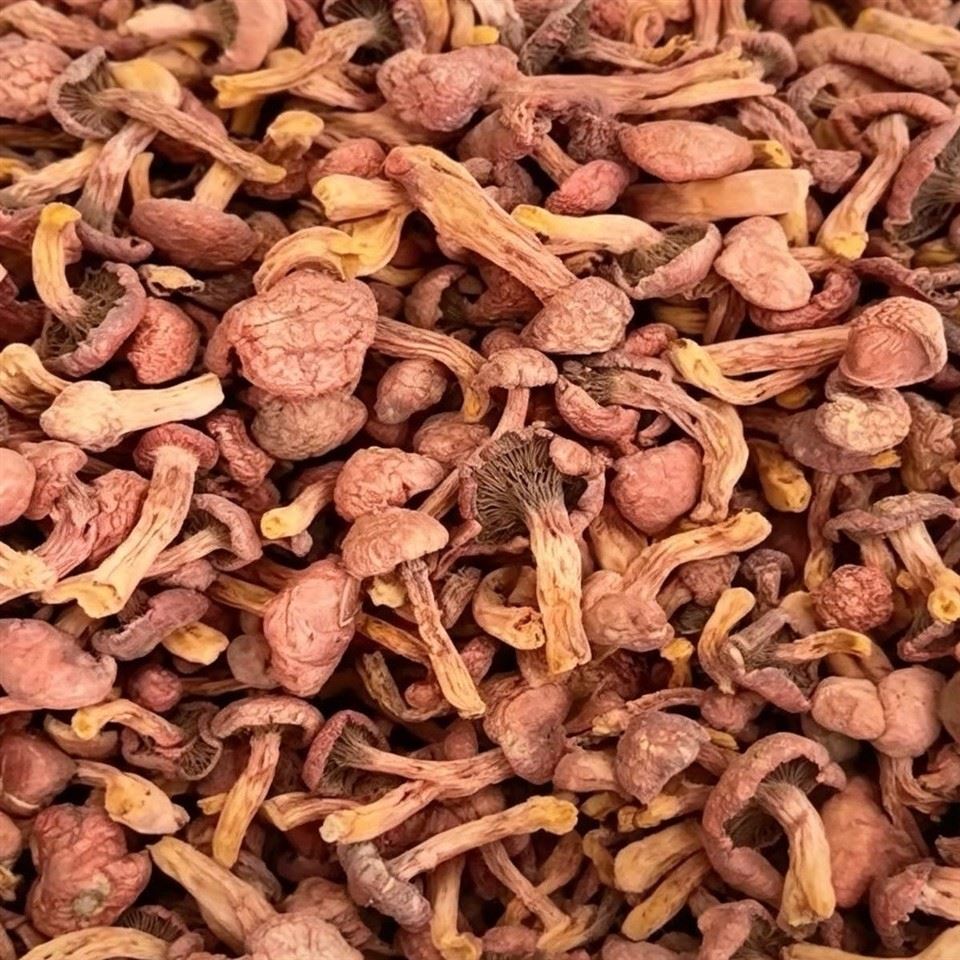
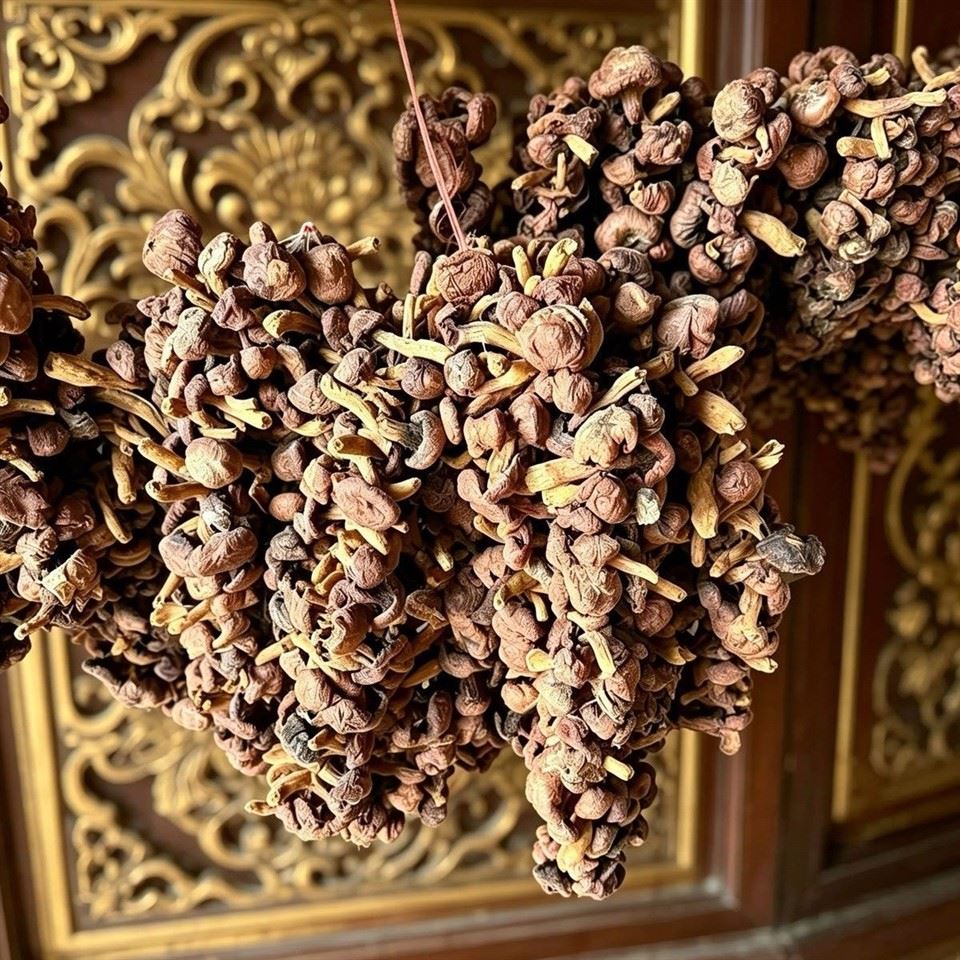
If you’re new to cooking with dried copper spike mushrooms, you might be wondering which form is right for you. We offer a few different options to fit every need, and each keeps that same high fiber content. If you’re making stir-fries or dishes where you want uniform, thin pieces, our Dried Striped Copper Spike Mushrooms are a great pick. They’re sliced thin before drying, so they rehydrate quickly in hot water or broth, and their texture holds up well in quick-cooking dishes. For people who like to use mushrooms as a natural, fiber-rich seasoning—adding them to rubs, marinades, or even blending into powder for sauces—our Dried Strung Copper Spike Mushrooms are ideal. We string whole clusters to dry, which concentrates their flavor even more, and you can easily break them into pieces or grind them to your desired consistency. And if you’re making large batches of soups, stocks, or stews and want the convenience of whole mushrooms, our Dried Whole Copper Spike Mushrooms work perfectly. They take a little longer to rehydrate, but their earthy flavor infuses the dish evenly throughout.
A common question I get is how the fiber content compares to other popular dried mushrooms. Let’s put this in perspective: dried shiitake mushrooms have about 8 grams of fiber per 100 grams, dried portobellos have around 10 grams, and even dried oyster mushrooms only hit about 15 grams. Dried copper spikes’ 31 grams? That’s double the fiber of shiitakes and more than double the fiber of portobellos. It’s not just a little higher—it’s a standout. That’s why they’ve become a go-to for registered dietitians working with clients who need to boost their fiber intake, as well as for home cooks who want to make their meals more satisfying without loading up on processed high-fiber foods.
Of course, like any fiber-rich food, it’s important to introduce dried copper spikes into your diet gradually, especially if you’re not used to eating a lot of fiber. Too much too fast can cause bloating or digestive discomfort, but pairing them with plenty of water helps your body adjust. I always tell customers to soak dried copper spikes in warm water for 20 to 30 minutes before using them—this not only rehydrates them, but also helps them absorb water, which makes the fiber even easier on your gut.
As someone who’s been supplying dried copper spike mushrooms for over a decade, I’ve watched these mushrooms go from a little-known wild foraged ingredient to a staple in pantries and professional kitchens across the country. The demand is driven by more than just their unique flavor, though—people are starting to pay attention to the nutritional benefits, and the high fiber content of dried copper spikes is a huge part of that. It’s not every day you can get a delicious, versatile ingredient that also checks so many boxes for your health goals.
If you’re a home cook looking to add more fiber to your meals, a chef wanting to create nutrient-dense menu items, or a food retailer looking for a unique product to offer your customers, dried copper spike mushrooms are an excellent choice. We work with everyone from small boutique shops to large restaurant chains, and we can tailor orders to fit your needs, whether you’re looking for bulk dried mushrooms for commercial use or smaller packs for home kitchens.
We’d love to hear from you if you’re interested in learning more about our products or placing an order. Whether you have questions about storage tips, how to cook with dried copper spikes, or want to discuss bulk pricing, our team is here to help. Reach out today to start a conversation, and let’s bring these high-fiber, delicious mushrooms to your table.
References
- United States Department of Agriculture (USDA) FoodData Central. Pholiota aurivella (dried mushroom). Retrieved from https://fdc.nal.usda.gov
- Academy of Nutrition and Dietetics. (2023). Fiber: Getting the nutrient you need for good health. Retrieved from https://www.eatright.org
- Chang, S. T., & Miles, P. G. (2004). Mushrooms: Cultivation, Nutritional Value, Medicinal Effect, and Environmental Impact. CRC Press.
- Slavin, J. L. (2013). Fiber and prebiotics: Mechanisms and health effects. Nutrients, 5(4), 1417-1435.
Send Inquiry